This article explores data lineage trends from 2019 to 2025, focusing on capability development, implementation challenges, and business value.
This article is the fifth one in the Data Management Maturity Trends 2025 series. In this article, I focus on the trends in the development of the information value chain/data lineage capability and its core components.
The annual results of the Data Management Maturity Scan, which is a part of the O.R.A.N.G.E. Data Management Framework, form the basis for these trends. I have published the scan results on my site, www.datacrossroads.nl, since 2019.
This article will:
• Present the definition of the information value chain/lineage provided by multiple data management industry guidelines.
• Highlight six-year trends in the development of this capability and its components.
• Provide practical recommendations for further development of this capability.
Governance for Data Value Chain/Data Lineage
Ten years ago, when I just started my first data lineage implementation project, one colleague of mine said: “Everybody wants data lineage; nobody can explain what they mean by that.” Since then, a lot has changed: technology has developed, and many business and data management professionals have acquired not only knowledge but also practical experience in documenting and using data lineage. However, the task of implementing, and especially using, data lineage has not become easier. And we still have multiple interpretations of this concept.
Let’s first discuss the challenges organizations worldwide face with defining the data value chain/lineage.
Definition Challenges
I have widely addressed the challenges of defining the “data lineage” concept in my book, Data Lineage from a Business Perspective. The key points were:
- There are multiple concepts that have a lot in common with the concept of data lineage
- Data lineage has multiple interpretations and meanings, as this concept has multiple types
I based my conclusions on the analysis of leading industry guidelines. Let me share with you some of my findings:
The TOGAF® Standard
The TOGAF® Standard, v.10, the leading industry architecture framework, does not use the concept of data lineage at all. Instead, it operates with the concept of data flows as the deliverable of data architecture.
DAMA-DMBOK2
DAMA-DMBOK 2 offers a range of multiple concepts that intersect data lineage.
To avoid a wordy description, I will use the figure from my book that shows the results of the guideline analysis.
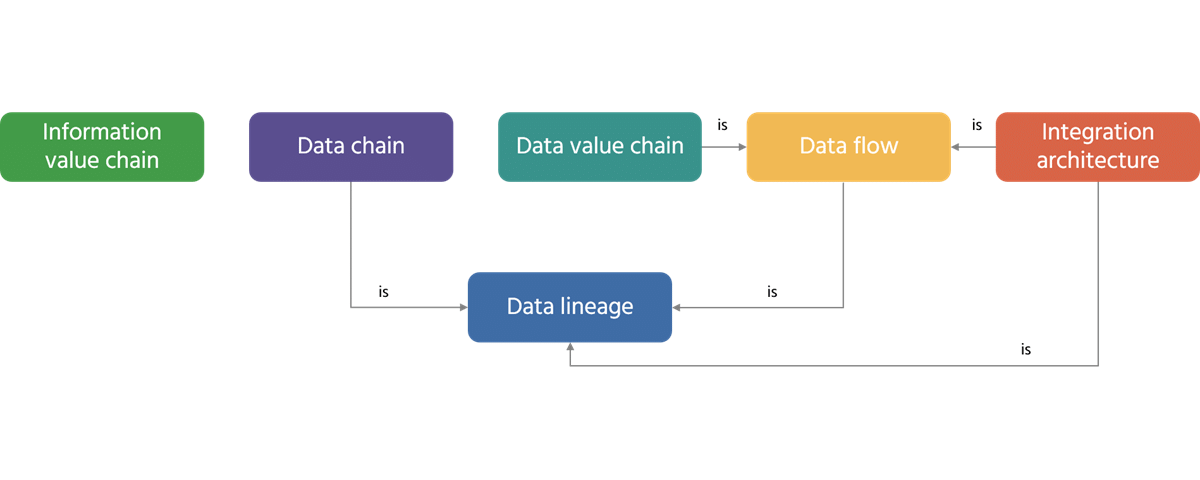
Figure 1: Concepts that intersect the concept of data lineage.
The comparison shows that the boundaries between these concepts are far from strict: data flow overlaps strongly with data value chain and data integration architecture. Data chain also overlaps with data lineage.
So, the important conclusion is not that one term is right, but that another is wrong. The conclusion is that the label itself tells you too little. Before you use one of these terms as the basis for a deliverable, you need to agree on what that term includes in your organization.
DCAM
The EDM Council glossary also presents several concepts that have a lot in common
For example, it defines data flow as the movement of data from one point to another, without involving any intermediaries, at a specific level of granularity. Data lineage is Information about the movement and transformation of data from a point of origin to its final destination. So, in simple words, data lineage describes data flows. So, data flow is the process, while lineage is its description.
So, we again see discrepancies between two leading guidelines in how they define foundational data management concepts.
The O.R.A.N.G.E. Data Management Framework
The O.R.A.N.G.E. Data Management Framework, which I’ve been developing for more than ten years, defines data lineage as a description of data movements and transformations at various abstraction levels along data chains and relationships between data elements at these levels. Data lineage can be of different types defined by the level, direction, and method of documentation. Data lineage is a complex concept. For those interested in diving into this concept, I recommend reading my book or watching videos on the Data Crossroads Academy site and YouTube channel.
Implementation Challenges
Despite the evolving technologies and growing awareness of the business benefits of documented data lineage, the organizations that dared to start this initiative still experience many challenges. I split these challenges into three groups: technological, data management, and organizational. Figure 2 shows the results of the same LinkedIn poll I conducted in 2025 and 2026.
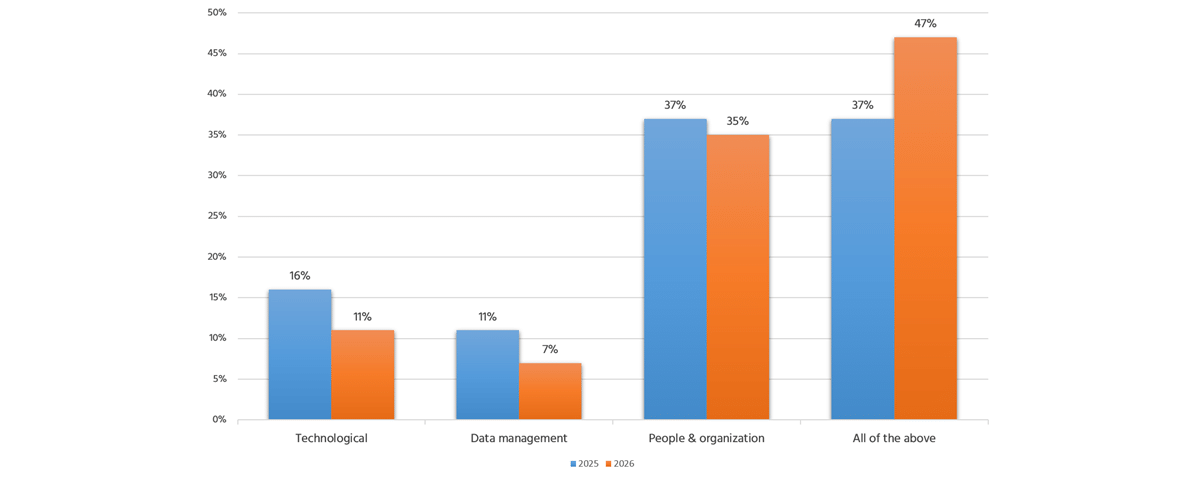
Figure 2: Trends in data lineage implementation challenges- 2025-2026.
Comparing the LinkedIn poll results from 2025 and 2026, I notice an interesting shift. Technological and data management challenges receive less attention, while people and organizational challenges remain a significant concern.
What catches my attention most is the growing preference for “All of the above.” To me, this suggests that practitioners increasingly recognize how closely these challenges are connected. Data lineage implementation rarely struggles because of technology, processes, or organizational involvement alone.
The results reinforce my experience that data lineage requires coordinated efforts across several areas of data management. Addressing individual obstacles without considering their dependencies may explain why many initiatives struggle to deliver sustainable results.
Last year, I also conducted polls for each group of challenges. I will share the results in this article, and I plan to rerun these polls soon. So, if you are interested in this topic, keep an eye on my publications.
Technological Challenges
The LinkedIn poll results in Figure 3 reveal an important pattern. Most participants selected all three technological challenges, while integration across platforms stood out as the most significant individual obstacle. System complexity and tool interoperability attracted considerably less attention.
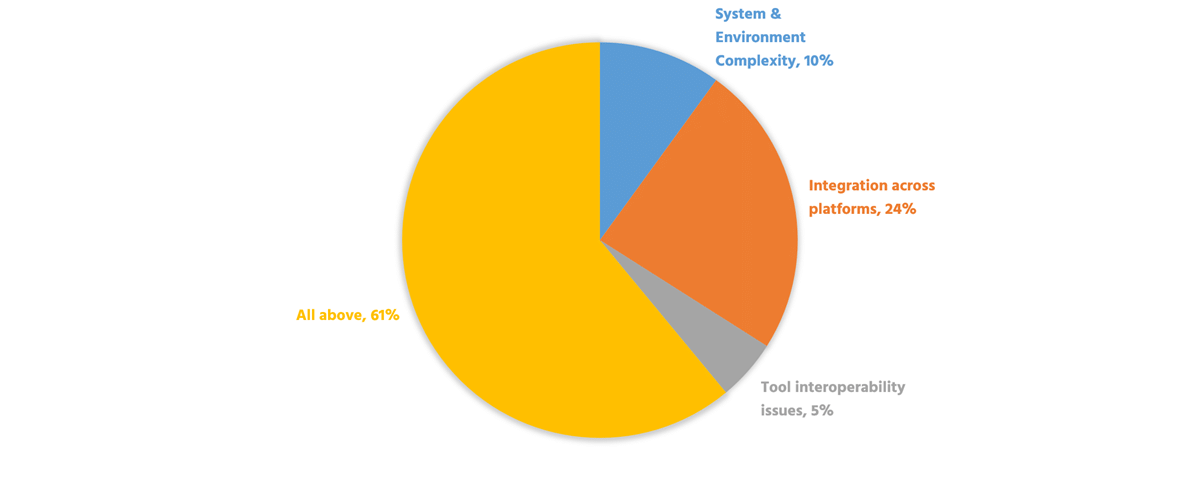
Figure 3: The most significant technological challenges.
For me, this reflects the reality of implementing data lineage in complex IT landscapes. The difficulty is not necessarily in individual technologies, but in tracing data across systems that were developed independently and use different architectures, platforms, and integration mechanisms.
The results suggest that technological challenges are interconnected. Even when individual tools work well, establishing complete and reliable end-to-end lineage across the entire landscape remains difficult.
Data Management Challenges
The results of the LinkedIn poll in Figure 4 demonstrate a familiar problem. Most participants see inconsistent metadata, unaligned data models, and missing policies and standards as interconnected challenges. Among individual obstacles, unaligned data models and inconsistent metadata received the most attention.
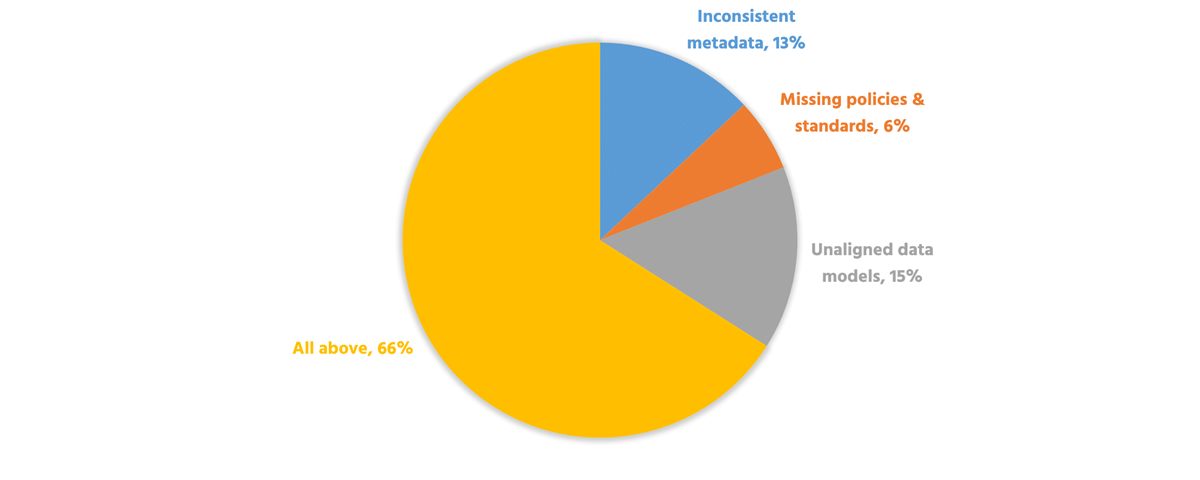
Figure 4: The most significant challenges in data management practices.
In my experience, these challenges often reinforce each other. Data lineage depends on understanding how data is defined, transformed, and connected across systems. When metadata and data models are inconsistent, documenting these relationships becomes difficult, even when the necessary technology is available.
What I find particularly important is that data lineage cannot develop independently of other data management capabilities. The poll reinforces the need for a common foundation of metadata, data models, and standards to make lineage reliable and maintainable.
Challenges Related to People and Organization
The LinkedIn poll results in Figure 5 show an even stronger preference for “All of the above” than in the previous two challenge groups. Very few participants identified limited skills, weak stakeholder engagement, or cross-team misalignment as an isolated problem.
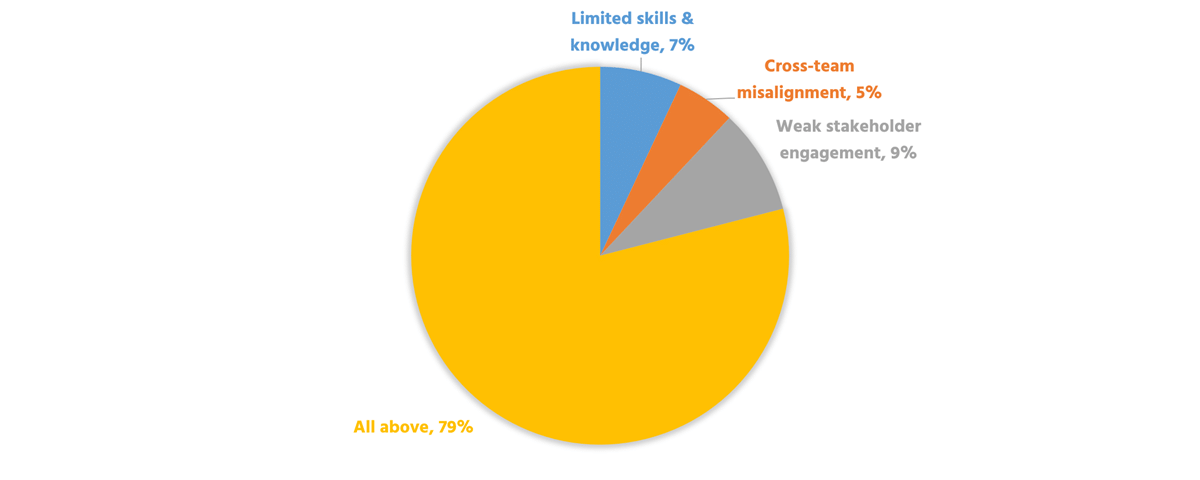
Figure 5: The most significant challenges related to people & organization.
I find this result particularly revealing. Data lineage requires knowledge and cooperation across business and IT teams. Understanding where data comes from, how it changes, and where it goes often involves people with different responsibilities and perspectives.
The overwhelming preference for combined challenges suggests that skills alone are not enough. Even experienced professionals may struggle to establish reliable lineage without stakeholder involvement and effective cooperation between teams. This helps explain why data lineage implementation is as much an organizational challenge as a technical one.
Challenges with Delivering Business Value
Delivering business value remains the real test. The results of my recent LinkedIn poll in Figure 6 offer an interesting perspective on the business value of data lineage.
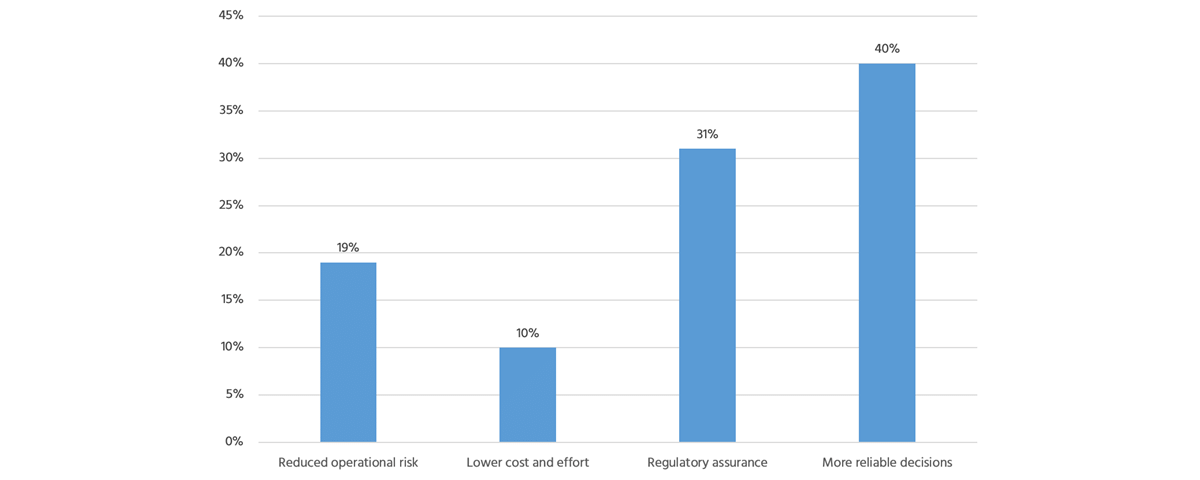
Figure 6: Business outcomes of data lineage.
More reliable decisions received the strongest support, followed by regulatory assurance. Reduced operational risk attracted less attention, while lower cost and effort came last.
What I find particularly interesting is the emphasis on decision-making. Data lineage helps people understand where information comes from and how it has been transformed. This transparency can strengthen confidence in the information used for business decisions.
Regulatory assurance ranking second is hardly surprising. Demonstrating how data moves and changes is particularly important when organizations must provide evidence to regulators and auditors.
The relatively low interest in cost reduction also deserves attention. It may suggest that practitioners recognize the value of lineage primarily through transparency, trust, and accountability, rather than immediate financial savings.
For me, these results reinforce an important point: the business value of data lineage extends well beyond technical documentation.
Maturity Measurement Challenges
Ideally, I would assess data lineage maturity through the business outcomes discussed above, particularly more reliable decisions, regulatory assurance, and reduced operational risks.
However, these benefits are rarely achieved through data lineage alone. They also depend on data quality, metadata management, data governance, and other capabilities. This makes it difficult to measure the direct contribution of data lineage.
For this historical review, I therefore continue using output-based maturity indicators. They provide observable evidence of how data lineage practices have developed and allow more consistent comparisons across organizations and years.
Of course, establishing lineage deliverables does not automatically mean creating business value. Their completeness, reliability, and actual use determine whether they serve their purpose.
The following trends should therefore be interpreted as evidence of data lineage capability development, rather than direct proof of its business impact.
Development Trends in Data Chain Management/Data Lineage
General Trends
The development of data lineage maturity from 2019 to 2025 shows substantial progress but also reveals an important limitation. Organizations are increasingly moving away from fragmented, unmanaged approaches toward more structured data lineage practices.
What catches my attention is that most of this progress appears to be concentrated on establishing the capability rather than making it fully operational. Although more organizations are reaching higher maturity, consistently effective practices remain relatively uncommon.
The trend in Figure 7 suggests that the main challenge is gradually shifting.
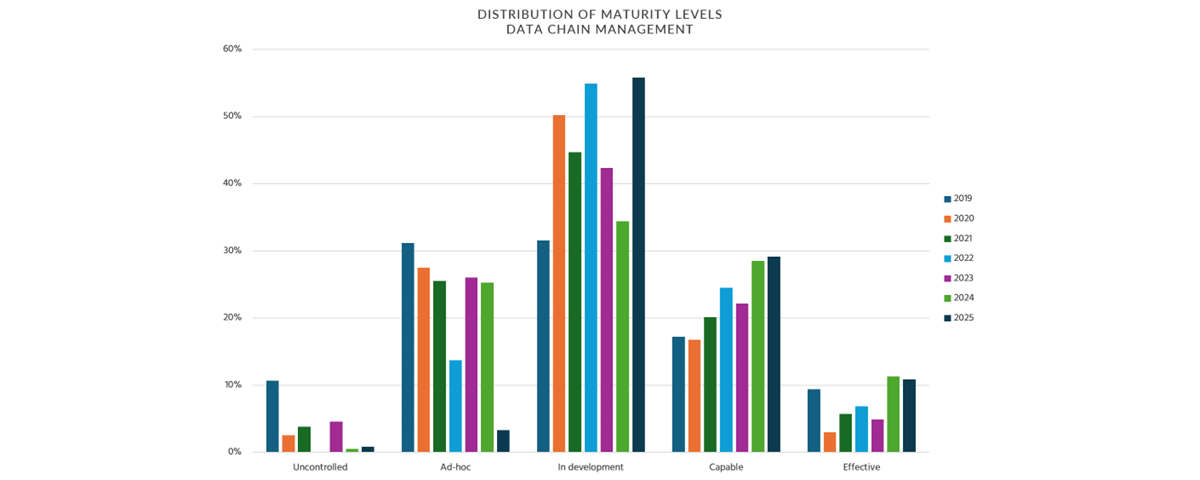
Figure 7: Trends in developing the data chain management capability: 2019-2025.
Establishing data lineage is becoming more common, but maintaining reliable, comprehensive, and usable lineage across the organization remains a much harder task.
Trends in Core Data Lineage Outputs/Indicators
The overall maturity trend tells us how data lineage is developing, but it does not explain which parts of the capability are improving.
For this analysis, I use four indicators from the Data Crossroads Maturity Scan. They cover different aspects of implementation: tools for documenting the data chain, the ability to include new data, the ability to explain data transformations, and coordination between data management stakeholders.
These indicators measure more than deliverables. While the first focuses on technological support, the next two show what the capability can achieve in practice. The fourth concerns the organizational coordination required to keep data lineage working.
Tools to Document the Data Chain
The development of technological support for data lineage presents an interesting picture. As shown in Figure 8, organizations have made considerable progress in formalizing their approach to documenting the data chain. However, this progress has not translated into equally strong operational adoption.
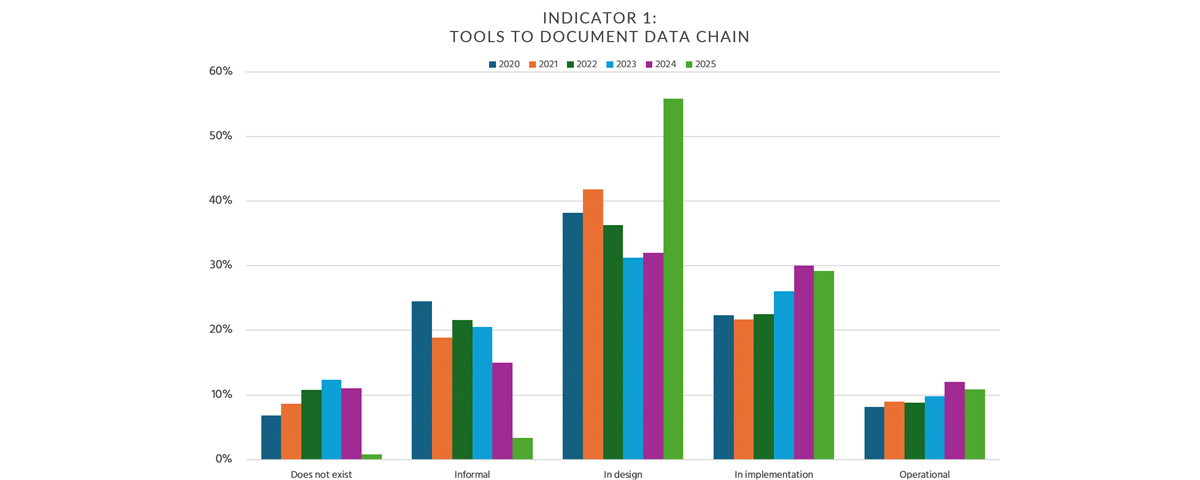
Figure 8: Trends in implementing tools to document the data chain.
This distinction matters. Introducing a lineage tool is only part of the challenge. Its usefulness depends on how well it connects to different platforms, captures dependencies, and supports the maintenance of lineage information.
The trend reinforces the technological challenges discussed earlier. Implementing tools and establishing reliable end-to-end lineage are two different achievements.
Ability to Find and Include New Data
A more encouraging development concerns the ability to identify and include new data in the documented chain. Figure 9 suggests that this capability has gradually strengthened, despite some fluctuations.
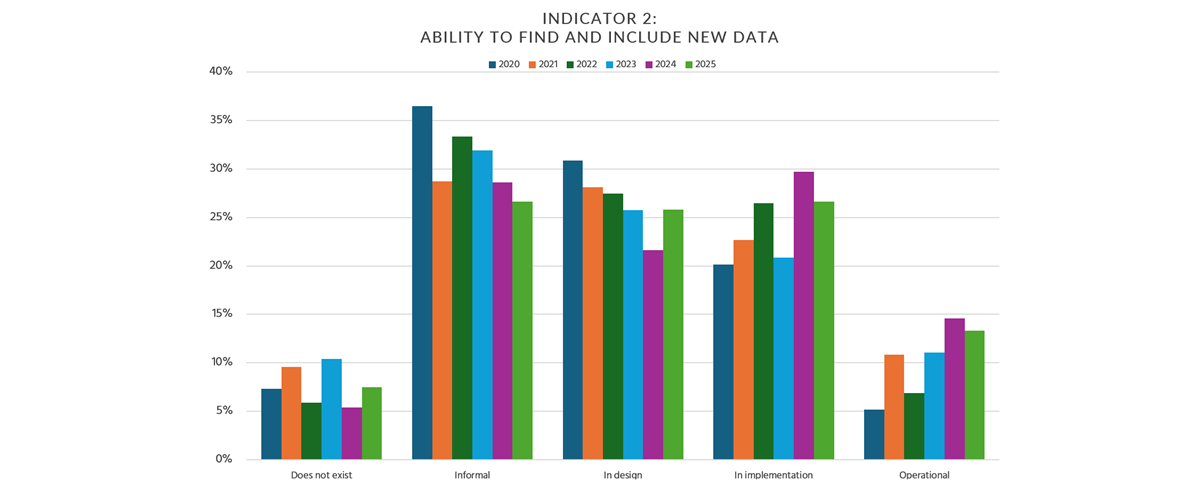
Figure 9: Trends in the ability to identify and include new data in lineage.
I consider this an especially important indicator because data landscapes never stand still. New applications, data sources, and interfaces continuously change existing data flows.
A lineage solution that cannot accommodate these changes quickly becomes outdated. The results suggest that more organizations are developing the ability to maintain lineage as their environments evolve, rather than treating documentation as a one-time activity.
Ability to Follow and Explain Data Transformation
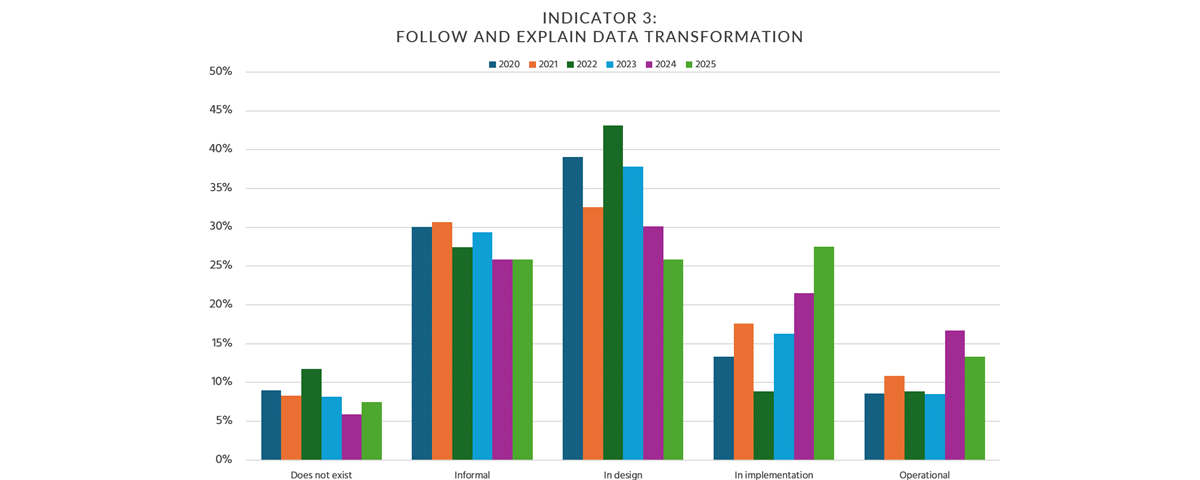
Figure 10: Trends in the ability to follow and explain data transformations.
The ability to trace and explain data transformations shows another encouraging development. Figure 9 indicates that organizations are gradually becoming better equipped to understand what happens to data as it moves through different systems.
For me, this is where data lineage becomes particularly useful. Knowing where data originates matters, but understanding how it has been transformed helps explain differences in reports, investigate unexpected results, and show how information was produced.
The improvement is therefore relevant to two business outcomes highlighted in the LinkedIn poll: more reliable decisions and regulatory assurance. However, the trend measures the development of this ability, not whether these business benefits have already been achieved.
Coordination of Data Management Stakeholders
The development of stakeholder coordination has been less consistent, although Figure 11 shows improvement in recent years.
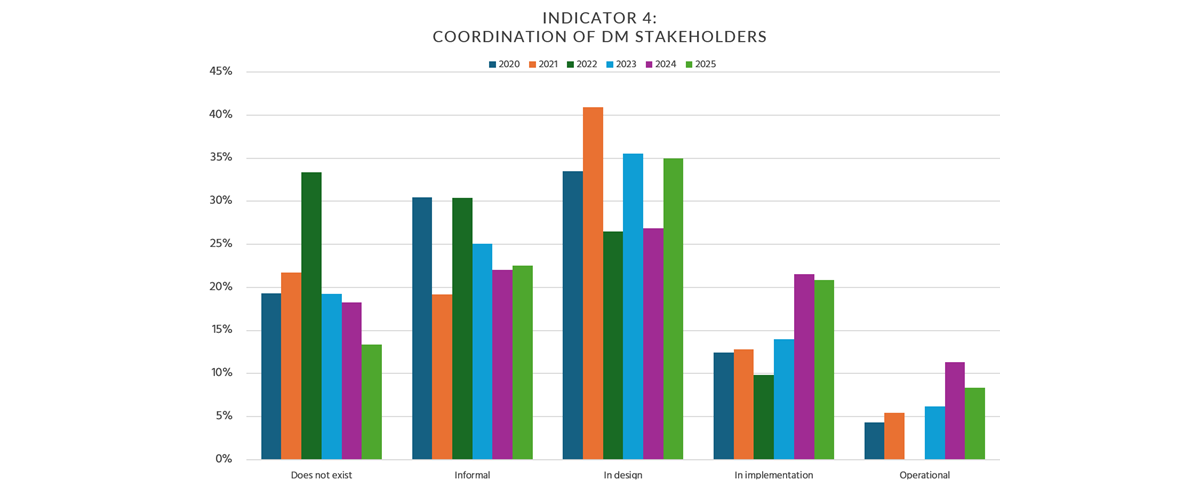
Figure 11: Trends in coordinating data management stakeholders.
This result reflects a challenge I frequently encounter in data management. Data lineage crosses organizational and technological boundaries. Different teams understand different parts of the data chain, and their knowledge must be connected to produce a reliable overall picture.
The challenge is not simply identifying responsible people. It is establishing cooperation that continues when data sources, transformations, and applications change.
The progress is encouraging, but the results suggest that organizational coordination remains an important constraint on sustainable data lineage implementation.
Summary: What the Maturity Results Reveal
When I bring the maturity results together, I see a capability developing along several paths that do not always progress at the same speed.
Tool support is becoming more structured, while the abilities to include new data and explain transformations are improving. These latter developments are especially encouraging because they demonstrate progress toward making lineage usable and maintainable, rather than simply documenting its existence.
Stakeholder coordination, however, continues to develop unevenly. This brings us back to the earlier LinkedIn polls, where respondents consistently emphasized the combination of technological, data management, and organizational challenges.
The business outcomes poll adds another perspective. Practitioners primarily associate lineage with reliable decisions and regulatory assurance. Achieving these benefits requires more than documenting data flows. Lineage must remain accurate, explainable, and available when people need evidence about their data.
My main conclusion is that data lineage maturity is improving, but maintaining reliable lineage across changing systems and organizational boundaries remains a substantial challenge.
Recommendations
The trends point to several practical priorities for organizations seeking to strengthen their data lineage capability.
Technological coverage and integration
Technology is essential, but the presence of a lineage tool does not guarantee complete coverage. I would pay particular attention to how effectively existing solutions document dependencies across platforms, applications, and data flows.
The technological challenges identified in the polls suggest that this remains one of the main obstacles to establishing reliable end-to-end lineage.
Keeping lineage up to date
The improving ability to include new data is encouraging. However, this capability creates lasting value only when lineage documentation keeps pace with changes in the data landscape.
Organizations may benefit from integrating lineage updates into existing development, integration, and change management activities. This reduces the risk of documentation becoming outdated shortly after its creation.
Explaining data transformations
The progress in tracing transformations deserves particular attention. A lineage record becomes much more useful when it explains not only where data moves, but also how its meaning, structure, and values change.
This is especially relevant when lineage supports regulatory evidence, investigations into data inconsistencies, and confidence in business information.
Coordination across data management capabilities
The results reinforce the close dependencies between lineage, metadata management, data modeling, and data governance.
In my experience, treating lineage as an isolated technical initiative makes implementation unnecessarily difficult. Stronger coordination between these capabilities can improve the completeness and reliability of documented data chains.
Business involvement and accountability
The organizational poll results suggest that stakeholder involvement cannot be addressed through skills development alone.
Sustainable lineage requires clear accountability for providing, validating, and maintaining information about data flows and transformations. This responsibility extends across the teams that create, manage, and use data.
Connecting maturity with business outcomes
The four indicators already provide evidence beyond the existence of deliverables. In particular, the abilities to include new data and explain transformations demonstrate whether important parts of the capability are functioning.
I would complement these maturity measures with evidence of how lineage is actually used. Examples include supporting regulatory reviews, investigating unreliable information, and providing explanations for business decisions.
This would help organizations understand not only how mature their data lineage capability has become, but also what business value it delivers.