This article discusses the data steward role evolution.
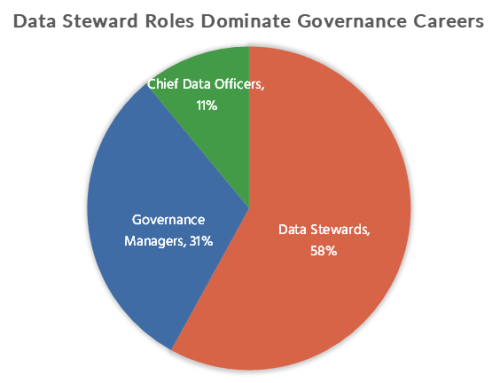
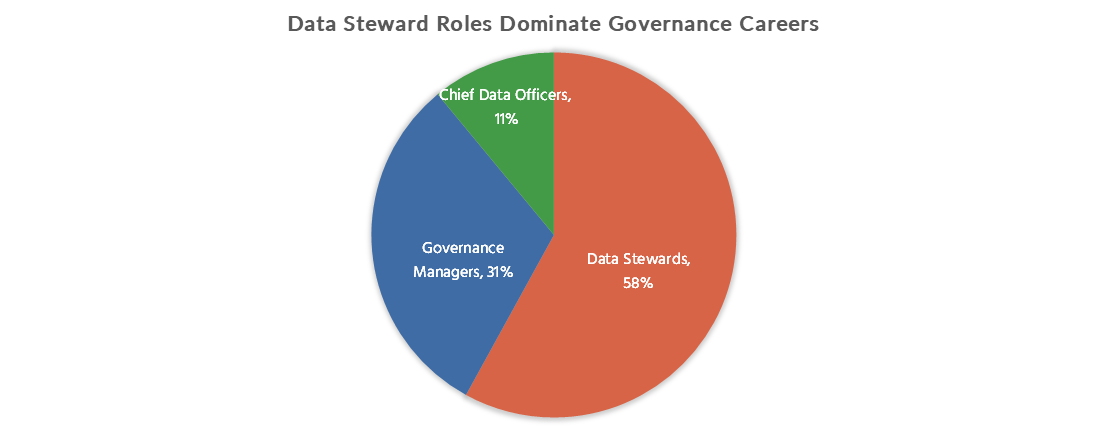
In the previous article in this series, we examined how data governance roles are distributed across organizational levels and world regions. The analysis showed that Data Steward roles appear most frequently in the job market and are typically positioned at the operational and tactical levels of governance.
Yet the role itself remains surprisingly unclear in many organizations. Titles exist, responsibilities are assigned, but expectations often vary widely. To understand how stewardship works in practice, I analyzed a large sample of global job postings for Data Steward positions.
This article examines what organizations actually expect from Data Stewards today. The results reveal a consistent pattern of responsibilities and capabilities that show how the role is evolving within modern data management environments.
Analyzing the Analysis Results
Several clear patterns appear across industries and geographic regions.
Data Steward roles operate at two organizational levels.
Some stewards work directly with data assets. Their work focuses on operational tasks such as maintaining metadata, resolving data quality issues, and documenting lineage.
Other stewards operate at a more coordinating level. Their responsibilities involve aligning governance practices across domains and translating governance policies into practical operational rules.
Stewardship responsibilities cluster around a stable group of data management capabilities.
Across job postings, the same capabilities appear repeatedly. The most common areas include governance coordination, metadata management, data quality management, conceptual data modeling alignment, lineage documentation, and regulatory support.
This pattern highlights an important shift in how the role is understood.
When the Data Steward concept was originally introduced in frameworks such as DAMA-DMBOK, the role was largely described as a business leader or subject-matter expert responsible for governance accountability within a domain. The focus centered on business definitions, policy compliance, quality oversight, and issue resolution.
However, the capabilities observed in today’s job market reveal a broader professional scope. Data Stewards are increasingly expected to operate across several data management disciplines.
The role now requires a hybrid professional profile.
Modern Data Stewards rarely focus on governance oversight alone. Many roles now involve metadata management, data quality practices, modeling alignment, lineage documentation, and regulatory transparency.
In practice, stewardship is gradually evolving into a data management profession that connects multiple capabilities rather than simply supervising governance compliance.
Stewardship is also expanding toward analytics and AI environments.
Recent vacancies increasingly mention responsibilities related to trusted datasets for analytics, lineage documentation for AI pipelines, monitoring data quality for machine learning processes, and collaboration with data science teams.
This expansion reflects a broader shift. Organizations increasingly recognize that trustworthy analytics and AI depend on reliable data management practices.
Distinguishing Tactical and Operational Stewardship Titles
Job postings rarely use the title “Data Steward” alone. Instead, organizations often introduce variations that implicitly signal whether the role operates at a tactical or operational level.
Titles commonly associated with tactical stewardship include Domain Data Steward, Lead Data Steward, Senior Data Steward, Data Governance Steward, and Data Domain Steward. These roles typically involve coordinating governance practices across domains, collaborating with governance councils, and aligning domain activities with enterprise governance structures.
Titles associated with operational stewardship include Business Data Steward, Technical Data Steward, Data Quality Steward, Metadata Steward, and Data Steward Analyst. These roles focus more directly on the daily management of data assets, including metadata maintenance, data quality monitoring, lineage documentation, and operational governance support.
Recognizing this distinction helps organizations structure stewardship responsibilities more clearly. It also allows professionals to understand how the role may evolve across different stages of a stewardship career.
Examining Tactical-Level Data Stewardship
At the tactical level, stewardship focuses primarily on coordination and alignment across domains. Professionals in these roles help ensure that governance policies and standards are interpreted consistently and translated into workable practices within different business areas. Figure 1 demonstrates the summary of data management capabilities and corresponding tasks for data stewards at this organizational level.
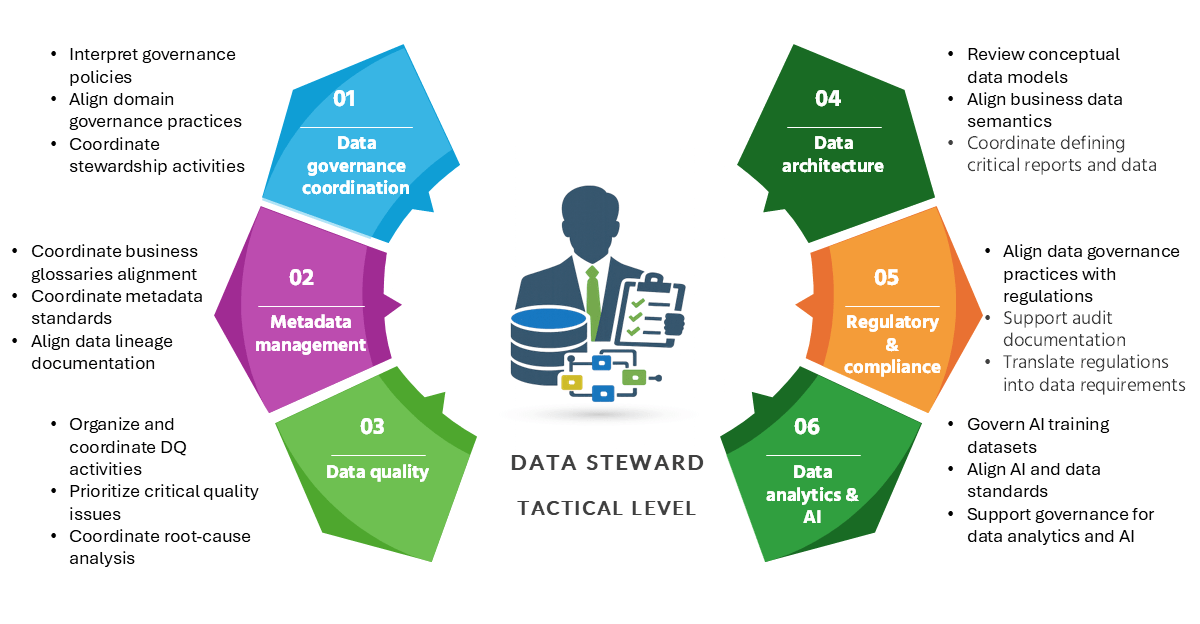
Figure 1: Tactical-level data stewards – DM capabilities and tasks.
Several core capabilities appear repeatedly in job postings.
Data governance coordination
A central responsibility involves translating governance policies into domain-level practices. Governance frameworks usually define principles, escalation paths, and accountability structures at a high level. Tactical stewards help make these principles operational within business domains.
Typical activities include coordinating stewardship efforts across teams, participating in governance councils, and maintaining governance documentation. In many organizations, this role acts as a bridge between governance policy and operational execution.
Metadata management alignment
Another recurring capability involves aligning metadata practices across business domains. Tactical stewards often help harmonize business glossary terms, coordinate metadata standards, and support the rollout of metadata catalogs or repositories.
Their work helps ensure that key data concepts remain consistent across business units. This capability requires strong understanding of business semantics and cross-domain collaboration.
Data quality governance
Tactical stewardship also contributes to shaping how data quality is managed across domains. Activities often include defining quality rules, prioritizing issues based on business impact, coordinating root-cause analysis initiatives, and supporting improvements in quality management practices.
Through these activities, stewards help connect data quality management with broader business performance objectives.
Data modeling and architecture alignment
Organizations frequently struggle with inconsistent definitions of shared entities such as customers, products, or contracts. Tactical stewards often review conceptual or logical data models from a business perspective and help harmonize definitions across domains.
Their contribution ensures that business meaning remains aligned with data structures implemented in systems.
Data lineage and AI-related alignment
Many organizations now require clear documentation of how data flows across systems and analytical environments. Tactical stewards often help coordinate lineage documentation practices and align business and technical perspectives on traceability.
In analytics and AI environments, this work may also involve supporting lineage documentation for training datasets and analytical pipelines.
Regulatory and compliance coordination
In regulated industries, stewardship roles frequently support compliance initiatives. Tactical stewards may help align regulatory definitions, coordinate audit documentation, and connect governance practices with regulatory reporting requirements.
This work requires awareness of regulatory expectations and the ability to coordinate governance activities across organizational units.
Understanding Operational-Level Data Stewardship
Operational Data Stewards work closer to the data itself. Their responsibilities focus on the day-to-day activities that maintain the reliability, consistency, and usability of organizational data assets, as shown in Figure 2.
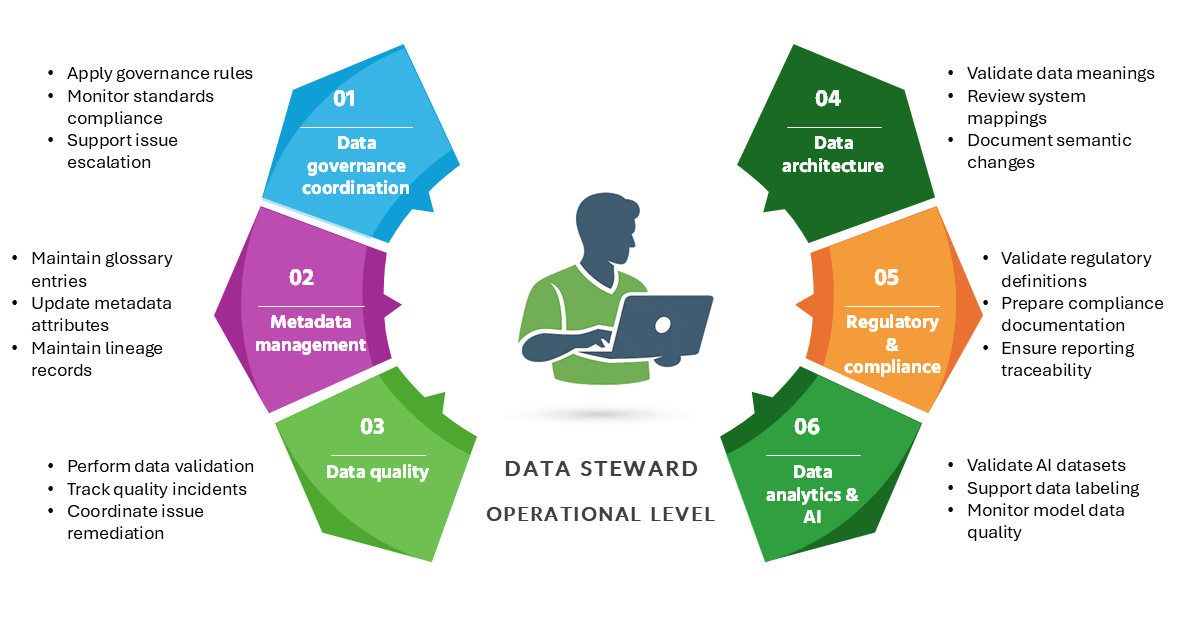
Figure 2: Operational-level data stewards: DM capabilities and tasks.
These responsibilities typically span several key capabilities.
Governance policy execution
Operational stewards help ensure that governance rules are applied consistently within daily processes. Their work often includes monitoring adherence to governance standards, verifying that stewardship responsibilities are fulfilled, and participating in issue escalation procedures when governance violations occur.
Through these activities, governance principles become embedded in operational workflows.
Metadata maintenance
Maintaining business metadata remains one of the most common stewardship activities. Operational stewards create and maintain business glossary entries, update metadata attributes in data catalogs, and ensure that definitions remain accurate across systems.
This work establishes the shared language that enables different teams to interpret data consistently.
Data quality issue resolution
Operational stewards frequently investigate data quality problems. Their activities may include performing validation checks, logging incidents, coordinating remediation with technical teams, and contributing to root-cause analysis efforts.
By identifying patterns of recurring issues, stewards help organizations improve the reliability of their data over time.
Data model validation
Operational stewards also help verify that system implementations remain aligned with agreed business definitions. When new data elements are introduced or structures change, they review mappings between systems and document the meaning of new attributes.
This capability ensures that technical implementations remain consistent with business semantics.
Data lineage documentation
Another important responsibility involves documenting how data flows across systems and transformations. Operational stewards maintain lineage records that describe how data moves from source systems through processing stages to reports or analytical outputs.
These records support transparency and help organizations understand dependencies between data assets.
Regulatory reporting support
In regulated environments, stewards often assist with compliance and audit activities. Responsibilities may include validating regulatory data definitions, confirming that reported data reflects agreed meanings, and providing documentation explaining how data was produced.
This work helps ensure that regulatory reports remain traceable and defensible.
Supporting analytics and AI initiatives
As organizations expand analytics and artificial intelligence initiatives, stewardship roles increasingly support the reliability of datasets used in analytical processes.
Activities may include validating training datasets, monitoring data quality issues affecting model performance, supporting data labeling processes, and documenting lineage for analytics pipelines.
These activities help ensure that analytical and AI systems are built on trustworthy data foundations.
Recognizing the Evolving Role of Data Stewards
The analysis reveals a broader shift in how organizations define and use Data Steward roles. What began primarily as a governance accountability function is gradually evolving into a more practice-oriented data management profession.
Several conclusions emerge from this shift.
Recognize how the role is evolving.
Stewardship increasingly spans multiple data management capabilities, including metadata, quality management, lineage, modeling alignment, and regulatory transparency.
Develop a broader professional skill profile.
Governance knowledge remains important, yet modern stewardship roles increasingly require understanding how several data management capabilities interact to support trusted data.
Strengthen analytical and coordination abilities.
Data Stewards often operate between business and technical teams. Analytical thinking, communication skills, and cross-domain coordination therefore become essential capabilities.
Build practical experience with operational data management.
Hands-on experience with metadata, data quality monitoring, lineage documentation, and regulatory support increasingly distinguishes experienced professionals in this field.
View stewardship as a long-term professional path.
The role is gradually emerging as a distinct discipline within data management. Professionals who combine business understanding with data management expertise are becoming increasingly valuable.
This shift also influences professional development needs. Data Crossroads Academy addresses this transition through programs designed to support the career development of Data Stewards and governance practitioners. At the same time, these courses help organizations navigate the practical operational challenges that often arise when governance frameworks move from theory into real organizational practice.
In the next article, we will analyse the evolving trends for dat